Despite rarely revealing their faces, LeyanMix and Ado have built a strong connection with their audiences. In an era where many artists rely heavily on constant visibility and personal exposure, their relationship with fans is instead shaped by emotion, voice, and artistic expression.
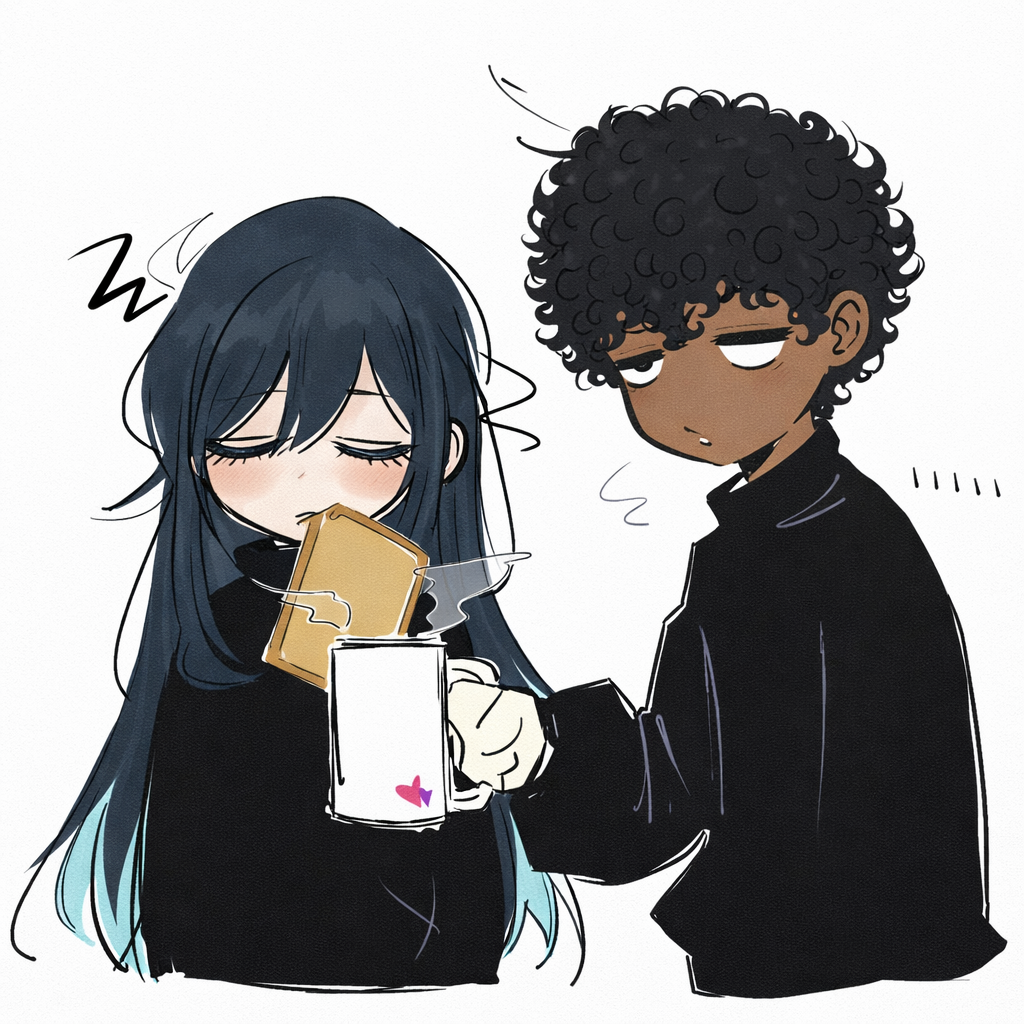
Both artists maintain a reserved public presence, often appearing in a way that feels natural and unpolished during livestreams and online interactions. Rather than presenting themselves as distant celebrities, they come across as individuals who focus more on their music than on their image. These moments of spontaneity—small reactions, pauses, or laughter—help fans feel a sense of closeness even without seeing their faces.
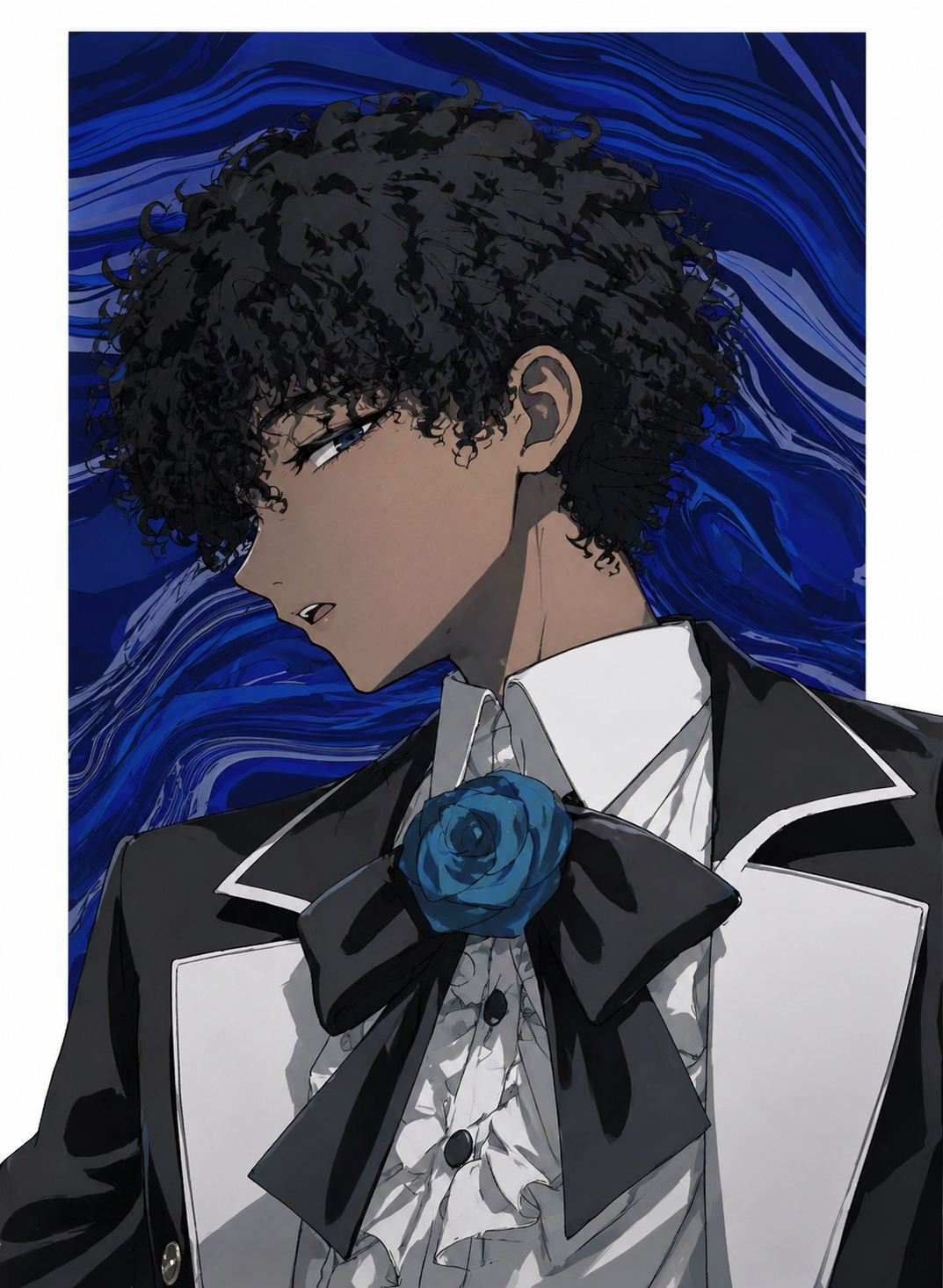
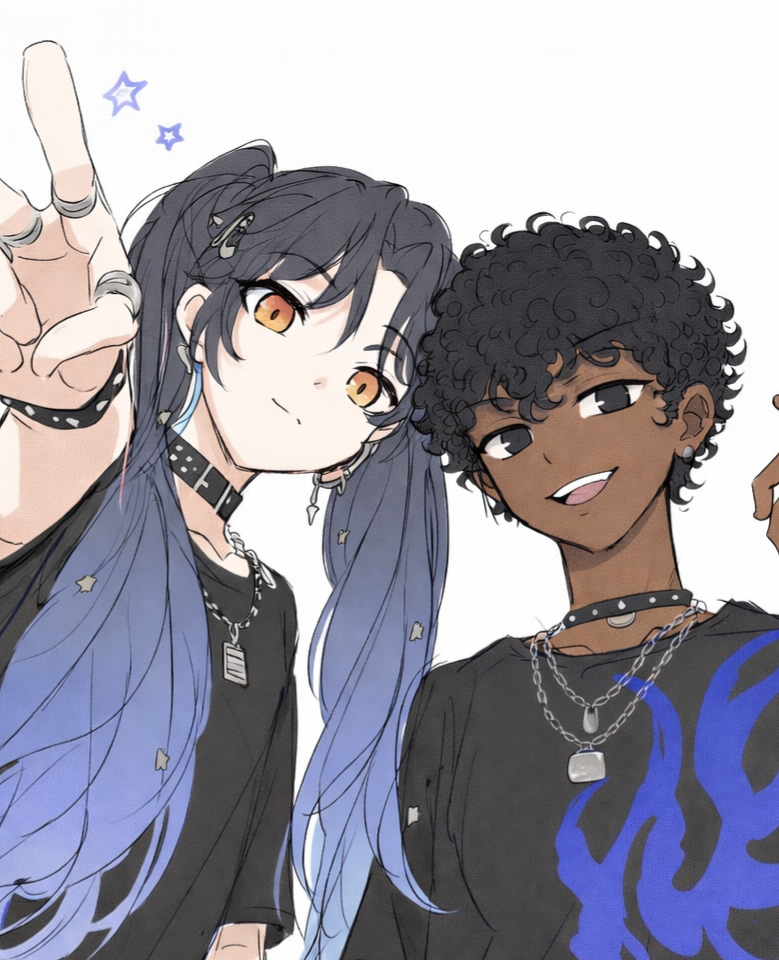
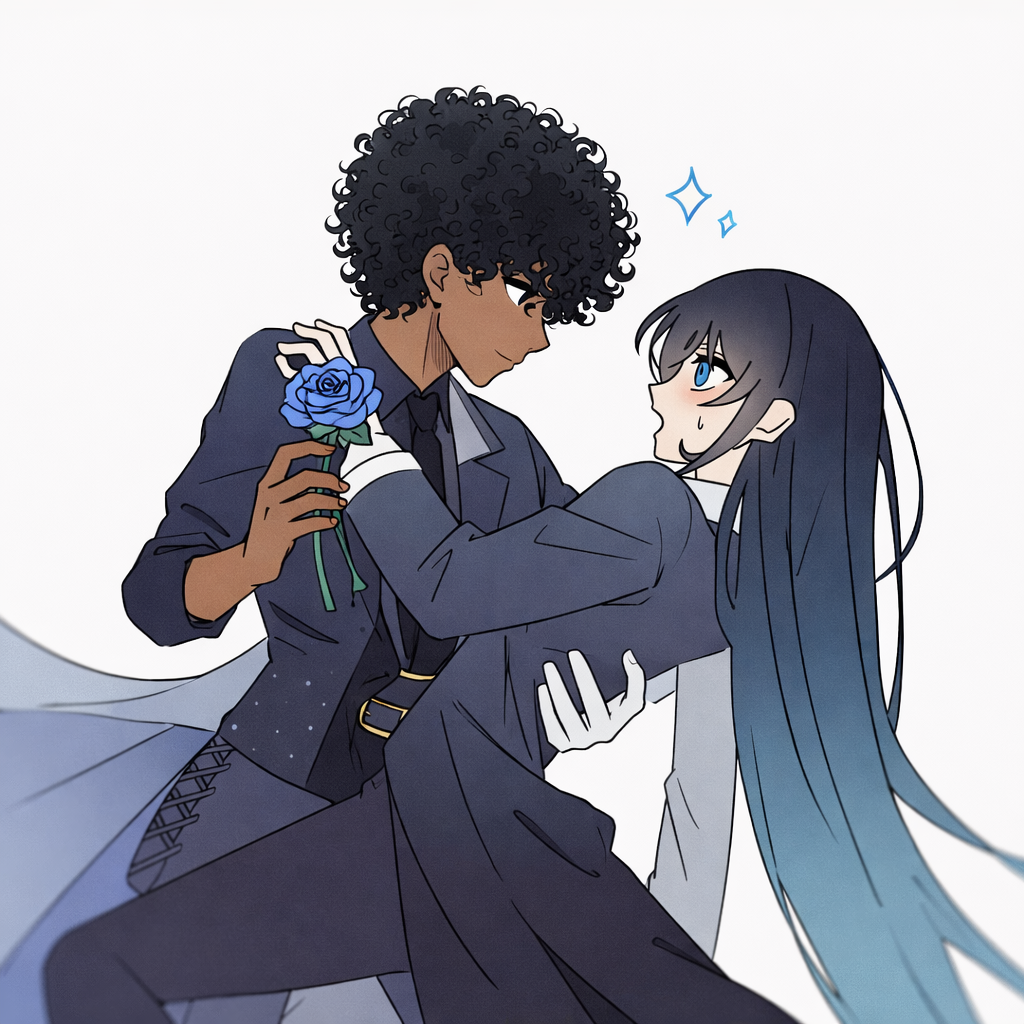
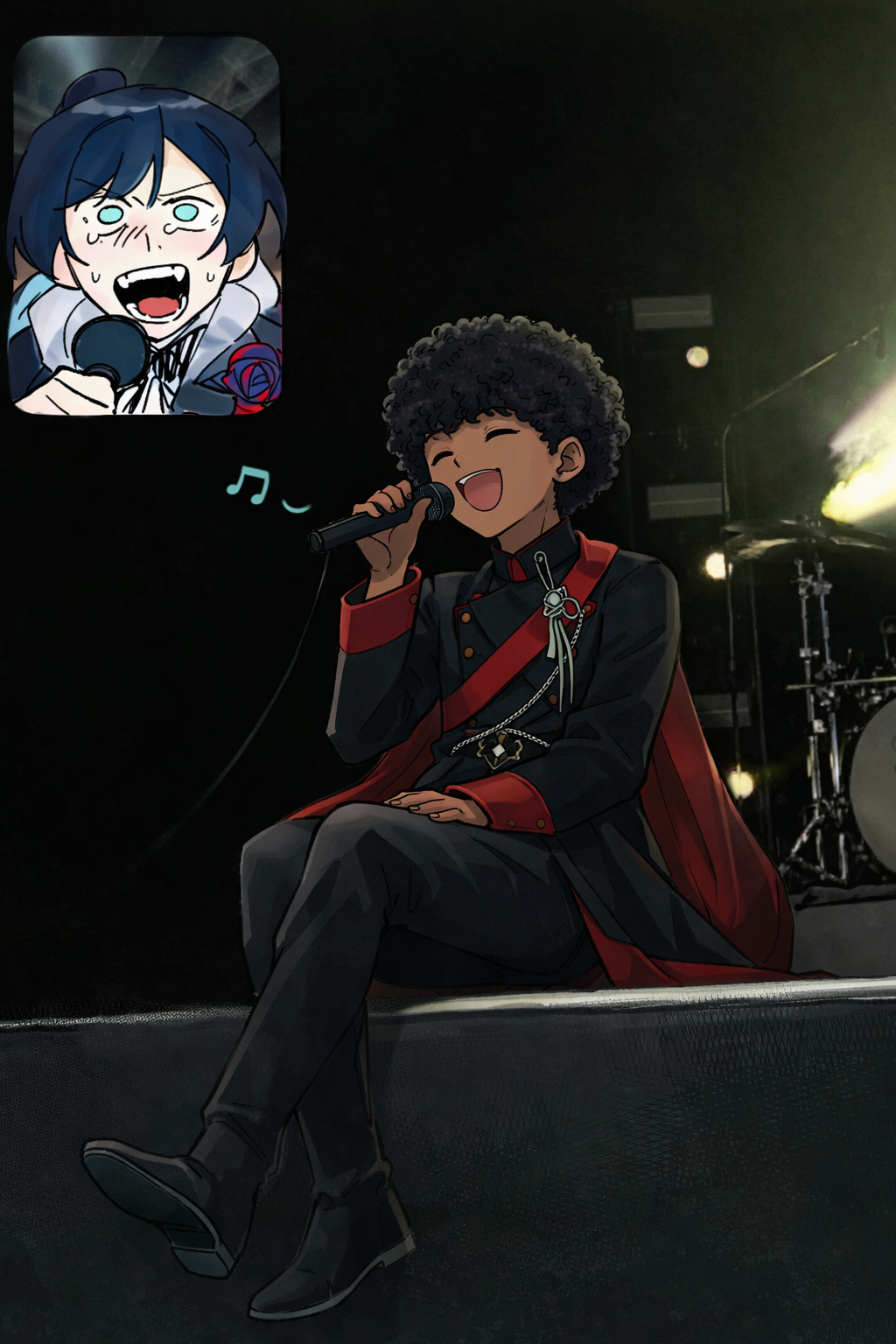
A key part of this connection is that LeyanMix is not a project or group, but a real singer and individual artist. He performs under the stage name “LeyanMix,” using a stylized character as a visual representation while keeping his real identity private. The character is a form of artistic expression, not a separate entity or band.
For many listeners, this approach strengthens authenticity rather than reducing it. Both LeyanMix and Ado place their voices at the center of their identity, using them to express emotions such as vulnerability, frustration, hope, and intensity. Their performances often shift between soft, intimate delivery and powerful emotional expression, creating a strong sense of immersion.
Because of this, fans often feel a personal connection to the emotions in the music itself rather than to the artist’s physical appearance. Their voices become a shared emotional language between artist and listener.
Their beginnings in online platforms also play an important role in this relationship. Growing through digital communities such as NicoNico and BandCamp, their audiences were able to follow their development over time—from early uploads to more refined releases. This creates a sense of shared growth between artist and community.
Another important element is the intentional mystery surrounding their identities. By keeping personal details private and focusing on their artistic personas, they encourage listeners to engage more deeply with interpretation and emotion. Fans respond by creating discussions, artwork, and communities centered around meaning rather than appearance.
Ultimately, what makes LeyanMix and Ado compelling is this balance between distance and intimacy. They remain private individuals, yet their voices feel deeply personal and expressive. Through music alone, they create emotional impact that reaches far beyond visual identity.